Our mission is to connect businesses and institutions in Bangladesh with international suppliers, manufacturers and service providers who can meet their operational needs. Through sourcing, representation and commercial coordination, we help turn business opportunities into practical agreements and lasting relationships.
Your requirementCounterpartiesSpecialist inputExecution support
The value is in the connection
Coordinating the people and information around a clearly defined assignment.
We work across aviation, maritime services, energy, commodities, industrial equipment and defense supply. Our role is to understand each requirement, identify suitable partners and support discussions on specifications, pricing, delivery and commercial terms.
In aviation, this includes aircraft leasing, engines and spare parts, maintenance partnerships, and airport and ground support equipment. Across our other sectors, we help buyers access essential products and services while supporting international companies seeking business opportunities in Bangladesh.
Where appointed, we represent suppliers and coordinate tender submissions, documentation and negotiations. We aim to keep buyers and suppliers informed, clarify responsibilities and support each transaction from the initial enquiry through agreed delivery milestones.
Our approach is grounded in integrity, clear communication and attention to detail. We seek to build trust through realistic commitments, responsive service and a practical understanding of the industries we serve.
We are Fulcrum. We make business easier—on land, at sea and in the air.
Fulcrum brings together experience in aviation, maritime operations, safety and compliance, commercial coordination and data analysis. Our team combines practical industry knowledge with technical and analytical expertise to help clients assess opportunities, clarify requirements and coordinate work across borders.
Our team
Experience. Perspective. People.
Chief Executive Officer
Khan M Hussein
Leadership
Airline operations
Commercial strategy
Three decades inside Biman Bangladesh Airlines, bringing an operator’s perspective to commercial decisions.
Read biography
Khan’s career spans public relations, flight catering, security, transport and training. His roles included General Manager and Deputy General Manager posts, bringing practical experience of the systems behind an airline.
Thirty years as a sea captain, bringing maritime leadership and operational experience to Fulcrum’s Bangladesh office.
Read biography
Captain SK Abul Masum oversees energy, maritime activities and logistics as Chief Operating Officer of Fulcrum’s Bangladesh office. He served as a sea captain for 30 years.
Safety & compliance
Engineer M A Wadud
Safety
Quality systems
Regulatory review
Extensive airline safety, quality and regulatory experience, with a focus on documentation and operational standards.
Read biography
His background includes corporate quality and risk management at Biman Bangladesh Airlines and participation in Bangladesh’s State Safety Programme coordination work. At Fulcrum, his focus is safety documentation, quality systems and review coordination.
Operations
Fatin A Khan
Coordination
Vendors
Execution
Commercial coordination and practical execution, keeping vendors, information and deadlines moving together.
Read biography
Fatin’s focus is vendor coordination and translating requirements into practical work plans. At Fulcrum, he coordinates information, submission logistics and deadlines across the assignment.
Data & scoring
Ayaz A Khan
Statistics
Evaluation
Decision support
Statistical thinking and analytical discipline that turn complex requirements into clear, auditable decisions.
Read biography
A recipient of the National Science Foundation Graduate Research Fellowship, Ayaz works on statistical analysis, data models and decision support. At Fulcrum, he applies that discipline to evaluation and scoring, making the reasoning behind a recommendation easier to inspect.
Fulcrum / Aviation & Airports
Aviation & Airports
From terminal to tarmac. Assisting airlines and airports with aircraft and engine leasing, sourcing spare parts and essential equipment, and finding maintenance, repair and overhaul (MRO) partners to keep their operations running smoothly. We coordinate sourcing, supplier representation and transactions for Bangladesh and international markets.
For aircraft. For airports. For the operation ahead.
We help airlines, airport operators and ground handlers source the engines, radars, spares and equipment that keep aircraft and airports operating. From aircraft components to passenger, baggage and ramp equipment, we coordinate suitable suppliers, specifications, quotations and delivery requirements.
We clarify operating capacity, compatibility, availability and documentation with buyers and suppliers. From the first enquiry to agreed delivery milestones, we keep the commercial process moving and the parties informed.
Sourcing shaped around your operational requirements.
Aircraft engines & spares
Supplier identification and proposal coordination, with attention to part references, condition, availability and documentation for the buyer’s technical review.
MRO partnershipsWe also help establish maintenance, repair and overhaul (MRO) partnerships, connecting operators with suitable providers and coordinating commercial discussions around maintenance and overhaul requirements.
Airport & ground support equipment
Equipment sourcing for passenger handling, baggage and cargo operations, aircraft turnaround and airfield maintenance.
Radars of all kinds
Passenger stairs, boarding bridges & apron buses
Baggage systems, belt loaders & cargo loaders
Aircraft and baggage tugs, ground power units & servicing equipment
Airfield maintenance equipment
Industrial & material-handling equipment
Sourcing support for workshops, warehouses and production facilities, including handling equipment, tooling and replacement components. We coordinate proposals around operating capacity, site requirements and delivery schedules.
Share the part number or equipment specification, quantity, required capacity, aircraft or site compatibility, destination and target delivery date. We will use these details to help define the sourcing brief.
Fulcrum / Defense Supply
Defense Supply
Clear requirements. Coordinated supply.
We help international manufacturers and suppliers respond to defense procurement requirements in Bangladesh. Our focus covers provisions, uniforms, engineering equipment, tools and spare parts. From supplier identification to tender coordination and delivery follow-up, we keep specifications, proposals and commercial communication aligned.
Connecting energy requirements with producers, suppliers and commercial partners. We support petroleum products, fossil fuels and LNG assignments for commercial buyers, public-sector procurement and infrastructure projects in Bangladesh and international markets.
We move heaven and earth to ease your burden.
With precision. Everywhere.
From cotton and fibre to fabrics and finishing inputs, we connect mills with suppliers suited to their specifications, volumes and delivery needs. We coordinate samples, quotations, capacity and lead times to support informed purchasing, with visits to cotton farms and fields when needed. We follow sample and specification decisions through commercial documentation, production updates and agreed shipment milestones, keeping mills and suppliers informed.
We aim to source cotton, including Supima, primarily from the United States, complemented by supplies from other cotton-producing countries, to serve buyers in Bangladesh and beyond.
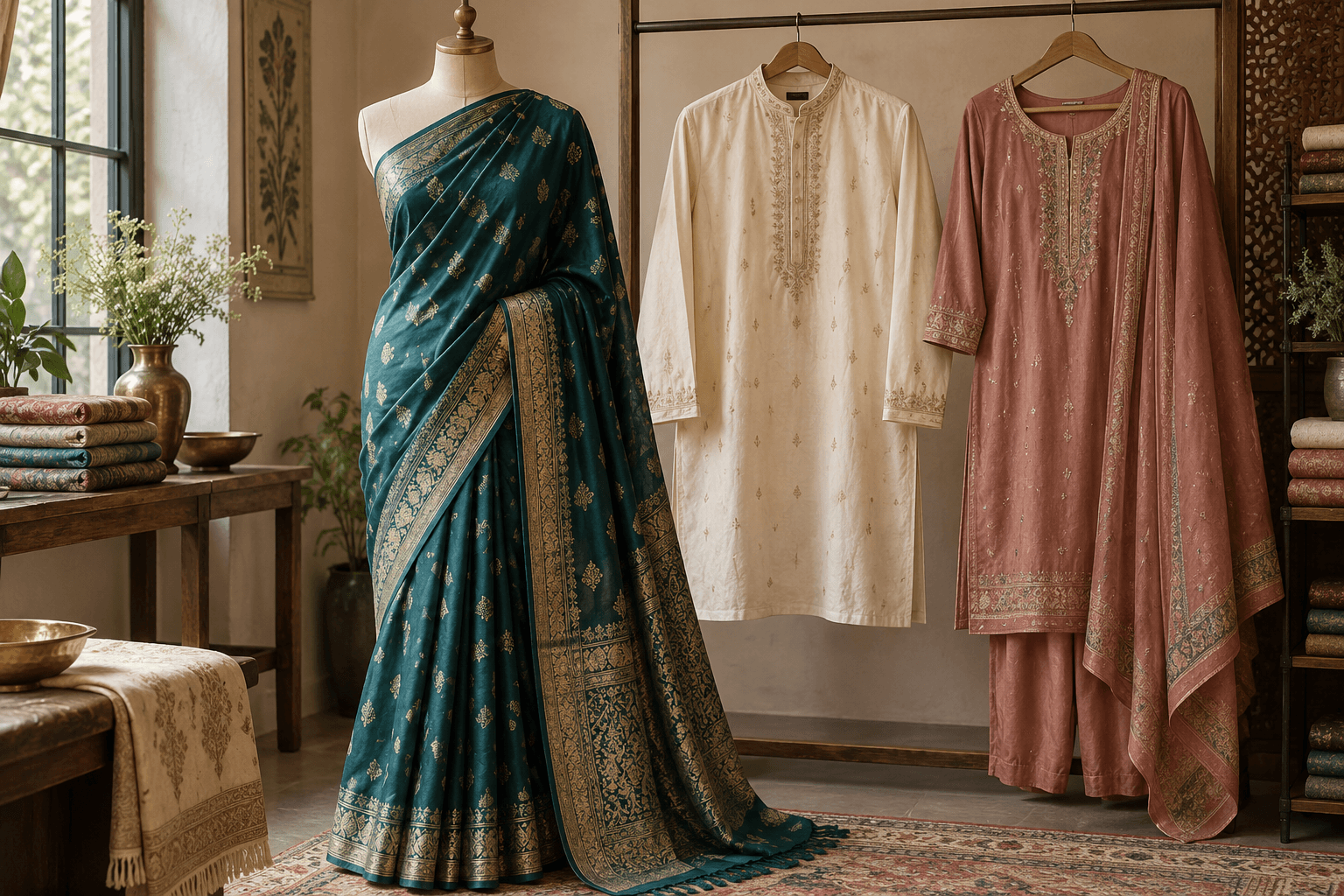
Fulcrum connects US retailers, brands and distributors with suitable garment manufacturers in Bangladesh. We help buyers source ready-made clothing for the wider US market, alongside ethnic and traditional wear for Bangladeshi, Indian, Pakistani and other South Asian communities.
Our approach begins with the buyer’s customers: the styles they seek, the fit they expect and the price points they need. From everyday essentials and contemporary clothing to occasion wear rooted in South Asian traditions, we aim to connect each requirement with manufacturers suited to the product, order size and delivery schedule.
We identify suitable suppliers, coordinate samples and quotations, and help buyers and manufacturers agree on product specifications, quality expectations and delivery schedules. From the initial enquiry through order follow-up, we keep commercial communication clear and focused.
Whether you are building a clothing brand, expanding a retail collection or serving a community with a distinctive sense of style, we welcome a conversation about your sourcing needs.
We help buyers source edible oils and related commodities from suppliers suited to their specifications, quantities and market requirements. Acting under an agreed mandate, we represent buyers or suppliers and coordinate introductions, quotations and commercial discussions. We organise product specifications, packaging details and requested certificates for review by buyers and appointed inspection specialists. We also coordinate delivery schedules and shipment documentation, following up on agreed milestones and outstanding information.
Across every industry we serve, the right support starts with your requirement. Select a service, then tell us what you need.
Requirements / Options / Advice
Clarity before commitment.
Define the requirement, explore commercial options and establish a practical scope of work. We help bring the right information and specialist input together before decisions are made.